
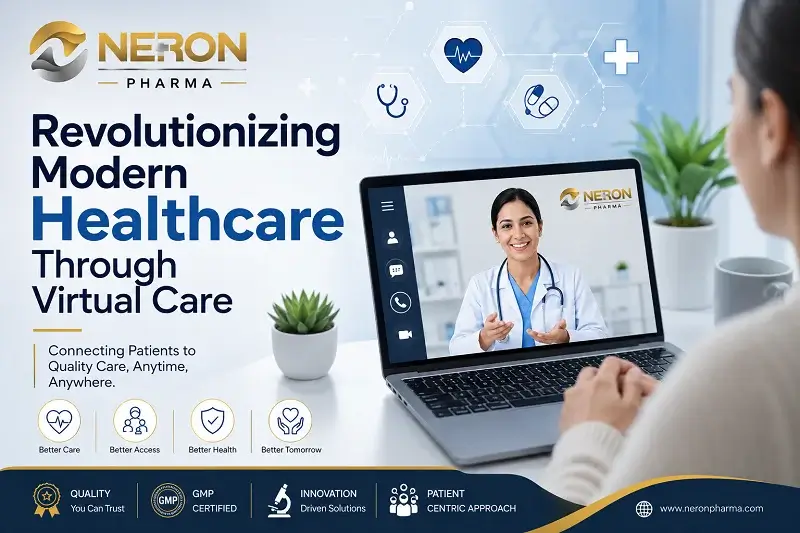
Revolutionizing Modern Healthcare Through Virtual Care
Telemedicine has become one of the most significant innovations in modern healthcare. By enabling healthcare professionals to consult, diagnose, monitor, and support patients remotely, telemedicine improves access to quality healthcare while reducing travel time, waiting periods, and unnecessary hospital visits. Advances in digital communication, secure video conferencing, electronic health records, and mobile technology have made virtual healthcare an essential part of healthcare delivery worldwide.
As healthcare systems continue to embrace digital transformation, telemedicine plays a vital role in making healthcare more convenient, efficient, and patient-centered. It allows patients to receive medical advice from qualified healthcare professionals regardless of geographical location, making healthcare more accessible for rural communities, elderly patients, and individuals with limited mobility.
What Is Telemedicine?
Telemedicine is the delivery of healthcare services through digital communication technologies. It allows healthcare providers to evaluate, diagnose, treat, educate, and monitor patients without requiring face-to-face visits in many situations.
Telemedicine services commonly include:
- Video consultations
- Telephone consultations
- Secure messaging
- Digital prescriptions
- Remote patient monitoring
- Electronic health record sharing
- Virtual follow-up appointments
Rather than replacing traditional healthcare, telemedicine complements in-person care by providing greater flexibility and convenience for both patients and healthcare providers.
How Telemedicine Works
Patients connect with healthcare professionals using secure digital platforms through smartphones, tablets, or computers. During virtual consultations, doctors can review symptoms, discuss medical history, assess ongoing treatments, recommend investigations, prescribe medications where appropriate, and provide follow-up care.
Many telemedicine platforms also integrate with Electronic Health Records (EHRs), allowing physicians to access complete patient information before making clinical decisions.
Benefits of Telemedicine
- Improved access to healthcare services
- Reduced travel time and transportation costs
- Convenient follow-up appointments
- Earlier medical consultation
- Reduced exposure to infectious diseases
- Better chronic disease management
- Greater healthcare accessibility for rural communities
- Improved continuity of care
Telemedicine and Chronic Disease Management
Patients living with chronic illnesses often require frequent monitoring and regular consultations. Telemedicine enables healthcare providers to monitor these patients remotely while reducing unnecessary clinic visits.
Conditions commonly managed through telemedicine include:
- Diabetes
- Hypertension
- Heart disease
- Asthma
- Chronic respiratory diseases
- Mental health conditions
Remote consultations help healthcare professionals identify changes in patient health earlier, allowing timely intervention.
Remote Patient Monitoring
Wearable health devices and connected medical equipment allow healthcare providers to receive real-time health information from patients at home.
Examples include:
- Blood pressure monitors
- Blood glucose monitors
- Pulse oximeters
- Heart rhythm monitors
- Smartwatches
This continuous flow of health information supports better long-term disease management and improves patient safety.
Telemedicine in Rural Healthcare
One of the greatest advantages of telemedicine is improving healthcare access for rural and underserved communities. Patients who previously traveled long distances to consult specialists can now receive expert medical advice from their homes.
This improves healthcare equity while reducing healthcare disparities between urban and rural populations.
Challenges of Telemedicine
Despite its many benefits, telemedicine also presents challenges.
- Internet connectivity limitations
- Digital literacy
- Cybersecurity concerns
- Patient privacy protection
- Regulatory compliance
- Situations requiring physical examination
Healthcare organizations must ensure secure communication platforms while maintaining patient confidentiality and clinical quality standards.
The Future of Telemedicine
Telemedicine will continue to evolve alongside artificial intelligence, wearable health technology, cloud computing, and digital health platforms. Future virtual healthcare systems are expected to become more integrated, personalized, and data-driven, allowing healthcare professionals to deliver even better patient care.
Combined with AI-assisted diagnosis, remote patient monitoring, and electronic health records, telemedicine will remain one of the pillars of modern healthcare.
Conclusion
Telemedicine has transformed healthcare by making medical services more accessible, convenient, and patient-centered. It supports healthcare professionals in delivering timely care while improving patient engagement and reducing barriers to healthcare access.
As digital healthcare technologies continue to advance, telemedicine will play an increasingly important role in improving healthcare quality and supporting healthier communities around the world.
FAQ
What is telemedicine?
Telemedicine is the delivery of healthcare services remotely through secure digital communication technologies such as video consultations, telephone consultations, and online healthcare platforms.
What are the benefits of telemedicine?
Telemedicine improves healthcare access, reduces travel time, supports chronic disease management, lowers healthcare costs, and increases convenience for patients.
Is telemedicine secure?
Yes. Modern telemedicine platforms use encrypted communication and secure healthcare systems to protect patient information and maintain confidentiality.
Can prescriptions be provided through telemedicine?
Depending on local healthcare regulations and the patient’s condition, healthcare professionals may provide digital prescriptions during telemedicine consultations.
What conditions can be treated through telemedicine?
Many non-emergency conditions including chronic disease management, follow-up appointments, minor illnesses, medication reviews, and mental health consultations can be managed through telemedicine.